


Eight Weeks of Nature Exploration on the Playground
Megan Gillenwater
Meridian, Idaho
One of my favorite TED talks explores the psychological principle that it takes
approximately 21 days for a repeated action to solidify into a habit.
This spring, I decided to put this theory into practice with my Gifted and Talented (G.T.)
students. We embarked on a collective challenge: to spend 10 to 20 minutes outside
during every G.T. day for eight consecutive weeks. Our objective was simple yet
profound—to transform our familiar playground and yard into a dedicated space for
environmental appreciation and mindful observation.
To ensure the integrity of the experience, we established a shared set of non-
negotiables; We agreed that this time would be dedicated to deep breathing and silent
reflection. There were to be no conversations, and we committed to embracing the
elements regardless of the weather. The chances were anything from a crisp spring
morning or a rainy afternoon, we stepped outside. This consistency allowed the
students to move past the initial novelty and begin truly interacting with the environment
on a deeper, more analytical level.
By removing the distraction of social interaction and the comfort of the indoors, these
gifted minds were able to sharpen their focus. What began as a simple walk quickly
evolved into a sophisticated study of the natural world hiding in plain sight. We
discovered that nature isn't just found in distant national parks; it exists in the intricate
patterns of a playground’s edge and the resilience of life in high-traffic areas.
Here are the ten lessons we learned from our eight-week journey:
1. The Power of Sensory Isolation
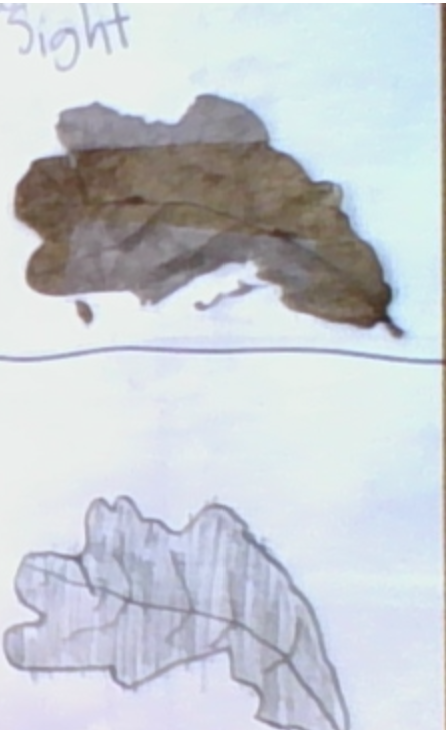
Our first discovery began with closing our eyes. By intentionally removing sight,
students learned to embrace the environment through sound and touch. They
identified the distinct rush of wind through different tree species and the
varying textures of the spring air against their skin.
2. Resilience Through the Elements
By committing to any weather, students moved from complaining about the
cold or rain to observing it. they learned that rain changes the scent of the
asphalt and that wind creates a unique choreography among the budding leaves.

3. The Micro-Ecosystems of the Playground
Gifted learners naturally seek complexity. They began to identify tiny ecosystems
in the cracks of the sidewalk and under the play structures, realizing that even the
most man-made spaces are teeming with biological activity.
4. The Rhythm of Deep Breathing
The requirement of silent breathing taught students how to regulate their own
energy. Many noted that the rhythmic intake of fresh air helped clear the mental
clutter often associated with high-achieving minds.
5. The Art of Stillness
In a world that demands constant output, these 20 minutes taught students that
stillness is an active, productive state. They learned to wait for nature to reveal
itself—watching a bird return to a nest or a squirrel navigate a fence line.
6. Observation Over Interaction
We often feel the need to do something when outside. This habit shifted the
focus to observing. Students learned to be witnesses to the environment rather
than just consumers of the space.
7. The Nuance of Seasonal Change
Over eight weeks, we witnessed the gradual transition of spring. The students
documented the subtle shift from dormant brown to vibrant green, learning to
appreciate the slow, steady pace of natural growth.
8. Environmental Empathy
Spending time in the yard fostered a sense of ownership and care. Students
became more aware of litter and the impact of human presence on the small
patch of earth we occupied.

9. Cognitive Clarity
Upon returning to the classroom, I noticed a significant shift in focus. The brain
break provided by the outdoors acted as a cognitive reset, allowing for higher
levels of creativity during our subsequent G.T. lessons.
10. The 21-Day Transformation
By the final weeks, the students no longer asked if we were going outside; it had
become an anticipated part of our culture. They proved that intentionality can
turn a simple walk into a lifelong habit of mindfulness.
This experience reminded us all that sometimes the greatest intellectual growth
happens not behind a desk, but in the quiet moments spent under an open sky.


Comments